No, the FDA Did Not "Approve" BPC-157. Here's What That July Vote Actually Means
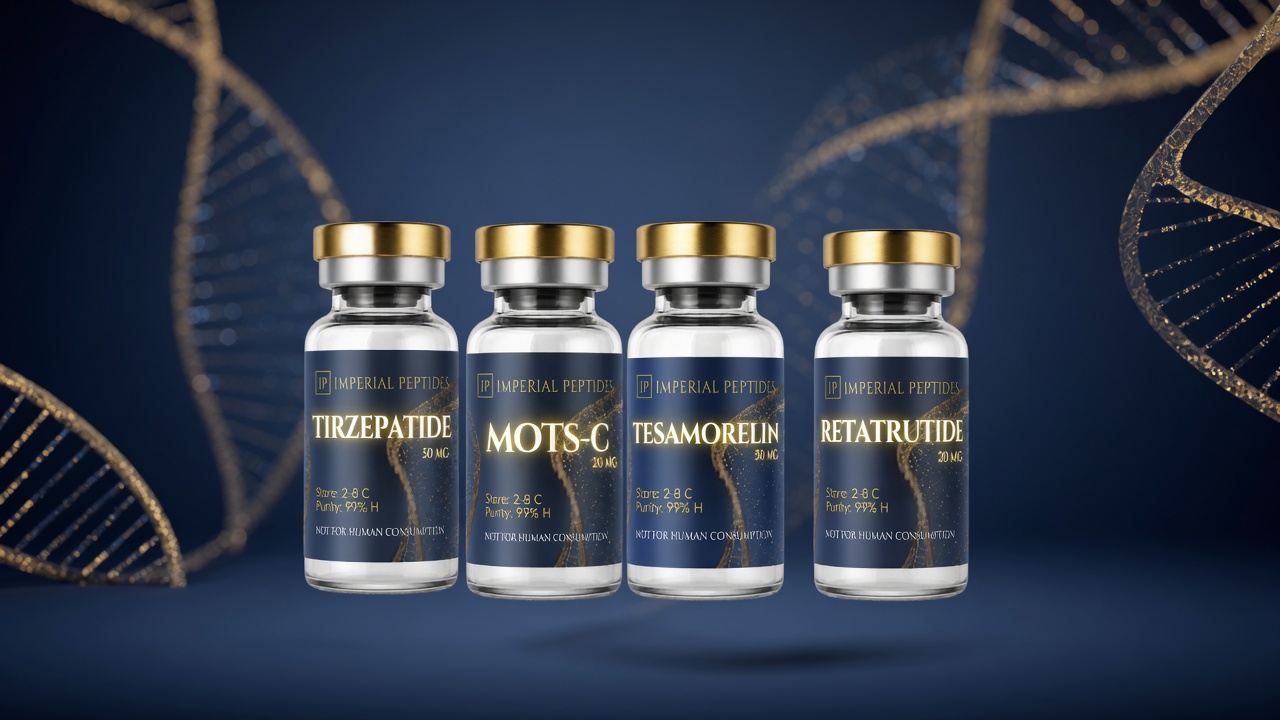
If you follow peptide news online, you have probably seen a bold claim: that in July 2026 the U.S. FDA "approved" BPC-157, TB-500, MOTS-c, and other popular research peptides. That claim is wrong — and more than ten weeks later, the agency still has not turned the advisory vote into any rule.
This post is a myth-correction for Canadian readers. It reports what regulators and trial registries have published. It is not medical advice, and it does not suggest that anyone buy, prepare, inject, or use any peptide.
What actually happened in July
On July 23–24, 2026, the FDA's Pharmacy Compounding Advisory Committee (PCAC) met to consider seven bulk peptide substances for a U.S. list called the 503A Bulks List. That list covers what state-licensed compounding pharmacies may use to prepare patient-specific prescriptions. It is not a pathway that turns a substance into an FDA-approved medicine.
According to ABC News, the BMJ, and U.S. compounding-law analyses (ArentFox Schiff; the FDA Law Blog), the committee narrowly recommended six substances: BPC-157, KPV, TB-500, MOTS-c, epitalon, and semax. It rejected emideltide (DSIP). Reported day-one tallies for BPC-157, KPV, and TB-500 were typically 8–6 with one abstention; MOTS-c was 7–5 with two abstentions.
Two facts are easy to miss online:
FDA's own scientific staff recommended against every one of the seven. The agency's published briefing document proposes that each free-base and acetate form not be included on the 503A list.
The vote is advisory. FDA still has to decide, and formal notice-and-comment rulemaking would be required before any substance is added. A compounding recommendation is not a drug approval.
ABC News also reported that six of the eight recently appointed voting members run clinics that offer peptides.
Ten weeks later: still no FDA action
On October 4, 2026, a status update noted that more than ten weeks later FDA had not acted. There was still no proposed rule adding these peptides to the 503A Bulks List. The July vote remained advice the agency can accept, modify, or set aside.
So if someone says "the FDA approved BPC-157 in July," they are collapsing three ideas into one word:
Claim people make | What is actually true |
"FDA approved BPC-157" | False. No new drug approval happened. |
"Pharmacies can compound it now" | Not established. Advisory vote ≠ listing; rulemaking is still pending. |
"It is proven safe and effective" | Not what the vote decided. Staff cited thin evidence and characterization gaps. |
What the evidence file looked like
Staff opposition was not a footnote. Coverage of the FDA briefings described recurring concerns: uncertain chemical characterization, limited or missing human effectiveness data, and immunogenicity or impurity risks for injectable uses.
One clear example was TB-500: reporting on FDA's presentation noted that reviewers could not point to studies in which TB-500 itself had been given to humans. MOTS-c and several others were cast as poorly characterized compounds with animal or cell interest but little human trial support.
For BPC-157, the honest picture is early science, not settled human proof. A registered Phase 2 randomized, placebo-controlled trial (NCT07437547) began recruiting in February 2026 for acute grade II hamstring strain (~120 participants). Estimated primary completion is February 2027. A registered trial is not a positive result, and no results are available yet.
Why this changes nothing for Canadians
Even if FDA later adds these substances to a U.S. compounding list, that would be a U.S. pharmacy rule, not a Canadian authorization.
Health Canada's April 9, 2026 advisory listed BPC-157, TB-500, MOTS-c, KPV, epitalon, and other injectable peptides among unauthorized products it had seized. In Canada, peptides are generally regulated as prescription drugs. Authorized ones carry an eight-digit Drug Identification Number (DIN) and are dispensed through licensed pharmacies. Health Canada was explicit that a "For Research Use Only – Not for Human Consumption" label does not make an unauthorized product legal.
Canadian readers should treat July's U.S. headlines as unfinished process news — not as permission, approval, or proof of benefit.
What the evidence does and does not show
What we can say (regulatory fact): An FDA advisory committee narrowly recommended six peptides for a U.S. compounding bulks list; FDA staff had proposed against all of them; as of early October 2026 FDA had not completed the rulemaking; and none of this is a Health Canada approval.
What this does not show: That these compounds are proven therapies in people; that online "research peptide" vials match clinical-trial material; or that a future U.S. compounding listing would make them legal to sell for human use in Canada.
A useful contrast: some peptide medicines are authorized in Canada after full review — for example, semaglutide products that carry a DIN — a different category from unauthorized online injectables.
Bottom line
An FDA advisory panel voted narrowly to recommend six popular research peptides for a U.S. compounding list, over the objections of the agency's own scientists. The vote was not an approval, it has not yet become a rule, and it does not change Canadian law. Until well-controlled human trials report — and until Health Canada authorizes a product — claims that these compounds are "FDA-approved healing peptides" are marketing language, not regulatory fact.
Sources
U.S. FDA briefing document (July 23–24, 2026 PCAC meeting): FDA Briefing Document — Pharmacy Compounding Advisory Committee
ABC News (July 24, 2026): FDA advisers narrowly vote to add 6 peptides to a drug compounding list
The BMJ (July 28, 2026): Peptides: US advisory committee recommends six for FDA "compounding list"
ArentFox Schiff (July 31, 2026): The (Pep)Tides Turn: FDA Panel Recommends Six of Seven for Compounding
Hyman, Phelps & McNamara FDA Law Blog (July 24, 2026): PEPTIDE-L WAVE! PCAC Approves Four Bulk Drug Substances for the 503A List
GENEVIUM status update (October 4, 2026): Ten Weeks After the Advisory Vote, FDA Peptide Compounding Decision Remains Pending
ClinicalTrials.gov: NCT07437547 — BPC 157 for Acute Hamstring Muscle Strain Repair
Health Canada public advisory RA-81874 (April 9, 2026): Think twice before injecting peptides bought online
Medscape / Reuters (September 15, 2026): Use Of Untested 'Wolverine' Peptide…
Health Canada Drug Product Database: https://www.canada.ca/en/health-canada/services/drugs-health-products/drug-products/drug-product-database.html
Disclaimer: This article is for informational and research-reporting purposes only. It is not medical advice, and it is not an advertisement for any drug or product. Nothing here is a suggestion to buy, possess, prepare, inject, or otherwise use any peptide. In Canada, injectable peptides are generally regulated as prescription drugs and require Health Canada authorization before sale. Compounds discussed as unauthorized, investigational, or subject only to a foreign advisory vote are framed as research subjects only and are not for human consumption. Always speak with a licensed healthcare professional about authorized medicines available through licensed pharmacies.
Comments